E-commerce video
Anime product ads: when animation sells and how to make one with AI
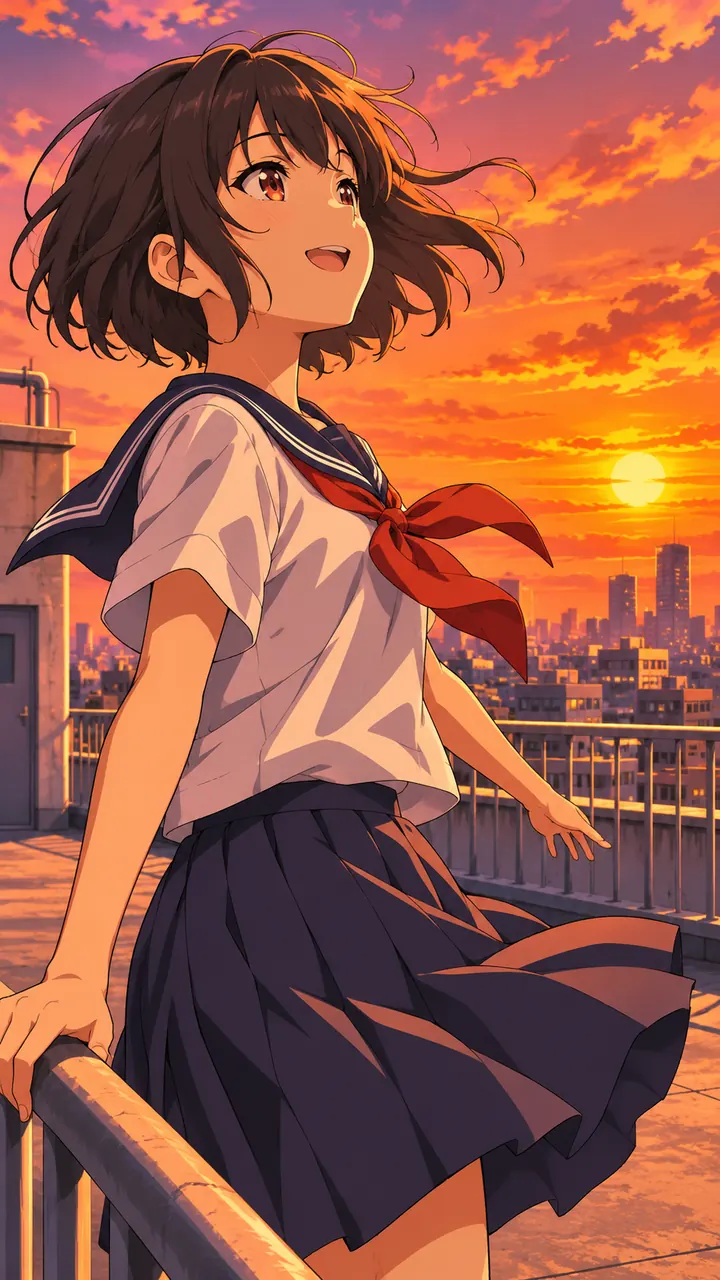
Animation gets noticed because it doesn’t look like an ad. For some products that’s exactly right; for others it removes the one thing that sells, which is proof. This guide covers when anime and cartoon styles work for a store, when to stay realistic, how to make one with Dokiri Studio, limits included, and how to keep clear of other people’s styles.
By the Dokiri Studio team · November 6, 2026 · 6 min read
In this article
What animation does for a product ad
A stylised video changes the deal with the viewer: nobody expects it to be literal. That buys you three things a realistic ad struggles to get.
- Attention. In a feed of phone footage, a drawn frame stands out before anyone reads a word.
- The impossible. You can show the inside of a mechanism, a product that grows wings, or a feeling no camera can film.
- A shared language. For audiences raised on anime, games and cartoons, the style itself says “this is for you”.
The price is literal proof. A drawing can illustrate a result; it can’t demonstrate one. Everything below follows from that trade.
When it sells, and when it hurts
| Product or category | Animation? | Why |
|---|---|---|
| Gifts and novelty items | Often yes | The ad sells a feeling and a moment, not a measurement |
| Products for kids and teens | Often yes | It’s the audience’s own language; parents still need clear facts |
| Gaming gear and accessories | Worth testing | Gamers live in stylised worlds; still show the real product somewhere |
| Fandom, collectibles, stationery | Yes | The style is part of the appeal |
| Impossible demos: how a filter works, what happens inside | Yes | You can draw what no camera can film |
| Skincare and cosmetics results | No | The result is the sale, and a drawing proves nothing |
| Food and drink | Usually no | Appetite comes from texture and light that real footage shows best |
| Clothing fit, furniture size | Usually no | Buyers need the real cut, colour and scale |
If your product sits in the bottom half of the table, animation can still play a supporting role, as a hook test or a brand piece. Just don’t make it the ad that has to convince.
What Dokiri does here, and what it doesn’t
Here is the honest version. Dokiri’s product ads, the ones drawn from your photos, come in two styles only: Realistic and Cinematic. There is no anime or cartoon product ad drawn from your product photos.
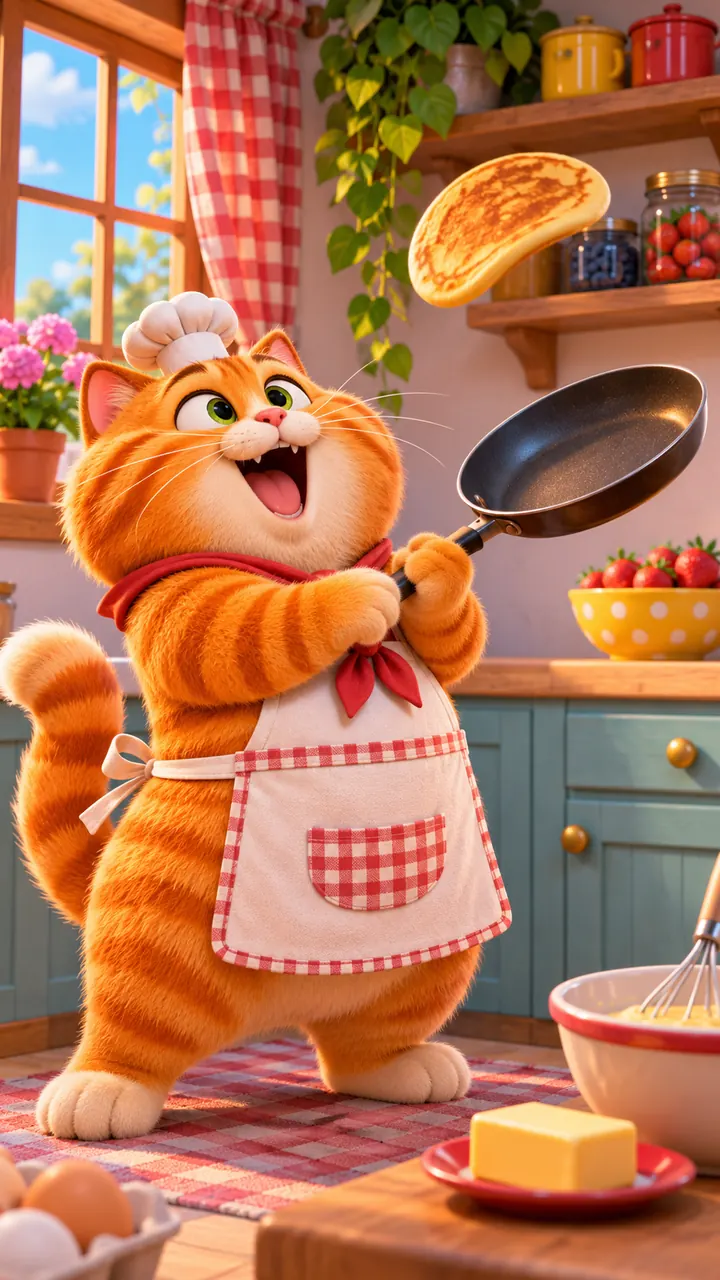
Animated styles live on the From an idea tab, among 16 styles: Anime, 3D cartoon, Clay, Comic book, Watercolor, Chibi, Paper cut and more. There, you write a story around your product and the AI draws everything from your words. Two consequences follow.
- The product is an interpretation. It isn’t drawn from your photos, so describe it like a spec sheet, and expect a stylised version that won’t match detail for detail.
- The claims are yours. The script follows your idea, not a product description. Keep any benefit you mention to what your product page says.
Two formats are built for this. The anime format writes an episode around a reveal, with dramatic reaction shots and a voice for each character. The cartoon format writes a comedy in 3D cartoon style, with visual gags and a punchline. You can also give a plain story idea any of the animated styles.
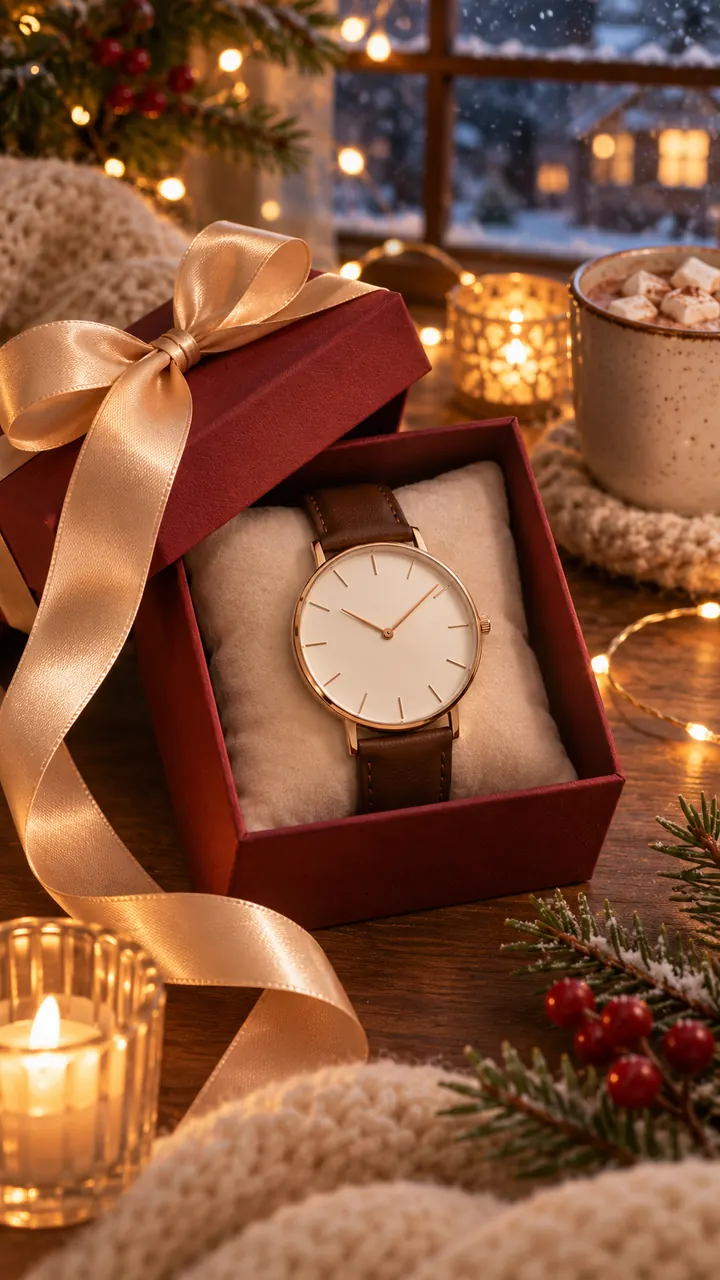
So animated ads suit attention and concept tests, and fit poorly when the buyer needs to see the exact item. A practical pattern: run the animated version next to a realistic product ad of the same product, and let the numbers decide. For a gift, the realistic counterpart is the Gift idea format on the Product ad tab, drawn from your photos: someone unwraps the product, then the ad says why it makes a good present.
How to make one, step by step
- 1
Decide the ad’s job
Attention, a gift season, a fandom audience. If the job is proof, stop here and make a realistic product ad.
- 2
Build the story around one moment
A character, a problem, the product as the turn, and an ending on the product rather than a cliffhanger. Short drama ads breaks the beats down by length.
- 3
Describe the product like a spec sheet
Colour, shape, material, size, packaging, anything printed on it. This is the only picture the AI gets.
- 4
Pick the style and length
On From an idea, choose Anime, 3D cartoon, Clay, Chibi or another style, and 15 or 30 seconds for most ads.
- 5
Read the review page
Check the cast, every line and every shot. Send a “Change something” note to fix how the product looks or a line that overclaims.
- 6
Pay, download, compare
Run it against a realistic ad of the same product before deciding animation works for you.
Anime style, 30 seconds, for a gaming audience. Original characters only; don’t imitate any existing series, studio or artist.
Final round of an online tournament. A teenage player’s headset cable snaps; the sound in her ears dies, the timer keeps running.
Her teammate slides a wireless headset across the desk: matte black, oval ear cups, a thin teal light strip on each side, a fold-down microphone.
She puts it on, the sound rushes back, she wins the round. Close-up reaction: wide eyes, then a grin.
Last shot: the headset on the desk under its teal light. Line: “No cable. No excuses.”
Don’t mention battery life, latency or any figure.
Rights and style imitation
Stylised doesn’t mean free of rules. A few cautions keep an animated ad out of trouble.
- Don’t imitate a named studio or a living artist. Asking for a famous studio’s look borrows an identity that isn’t yours and invites complaints and rejected ads. Describe the qualities instead: bold outlines, flat colours, big reaction close-ups, soft pastel backgrounds.
- No existing characters or mascots. A character from a series, a game or another brand belongs to someone. Invent your own.
- No real people as cartoons without their permission, celebrities included.
- AI disclosure. Every Dokiri file carries an invisible “Made with AI” metadata marking; check your ad platform’s rules on disclosing AI-generated content too.
- Ads for children. Advertising aimed at kids is more tightly regulated in many countries. Check the rules where you sell before launching.
Mistakes to avoid
- Animating a product whose sale depends on proof. Skincare, food and fit need real footage.
- A vague product description in the idea. You get a generic product that could be anyone’s.
- A story with no product turn. A fun video, no sale. If the product can be removed without changing the story, rewrite it.
- Ending on a reveal instead of the product. The anime format builds to a reveal; make the product that reveal, and end on it.
- Judging animation on one test. Compare it with a realistic ad of the same product, on the same audience, before concluding.
Frequently asked questions
Can Dokiri turn my product photos into an anime ad?
No. Product ads drawn from your photos come in Realistic or Cinematic style. Anime and the other animated styles are on the From an idea tab, where the product is drawn from your description, not from your photos.
Which animated styles are available?
The From an idea tab offers 16 styles, including Anime, 3D cartoon, Clay, Comic book, Watercolor, Chibi and Paper cut, alongside Realistic and Cinematic.
Does an anime video cost more than a realistic one?
The price in credits is computed from what the video costs to make: length, number of shots and quality weigh most. It’s shown before you pay, and writing the script is free.
Can I ask for the style of a specific anime studio?
Don’t. Describe the qualities you want instead, such as bold outlines, flat colours or dramatic close-ups, and keep the characters original.
Does animation work for skincare or food?
Rarely as the main ad. The buyer needs to see a real result or a real texture, which a drawing can’t prove. Use animation as a hook test at most, and close with realistic footage.